
Raising Curious, Capable Humans
There’s a quiet shift happening in the way many families are thinking about education.
For years, conversations around school choice have often centred on academic performance, pathways and outcomes. While those things still matter, more and more parents are beginning to ask broader questions. Questions about confidence, independence, emotional wellbeing, curiosity, and adaptability.
In a world defined by constant change, what are the qualities that will genuinely help children flourish, not only in school, but in life?
It’s a question that feels increasingly relevant in modern childhood. Children today are growing up in a culture of busy schedules, heightened stimulation and ever-present technology. Many parents sense the pressure their children are under from an early age.
At the same time, there’s a growing recognition that some of the most important human skills can’t always be measured on a report card: the ability to think independently, to collaborate with others, to stay curious, and to understand responsibility, empathy and resilience.
These are qualities developed slowly, through experience, trust and meaningful engagement with the world around us. Increasingly, families are seeking learning environments that make space for this kind of growth.
That’s part of the reason Montessori education continues to resonate so strongly with many parents. Developed more than a century ago by Italian physician and educator Maria Montessori, the philosophy was built on a simple but powerful belief: children are naturally curious and capable, and they thrive when given both freedom and responsibility within a prepared environment.
At Inner Sydney Montessori School, this philosophy comes to life in ways that can feel quietly different from a traditional classroom.
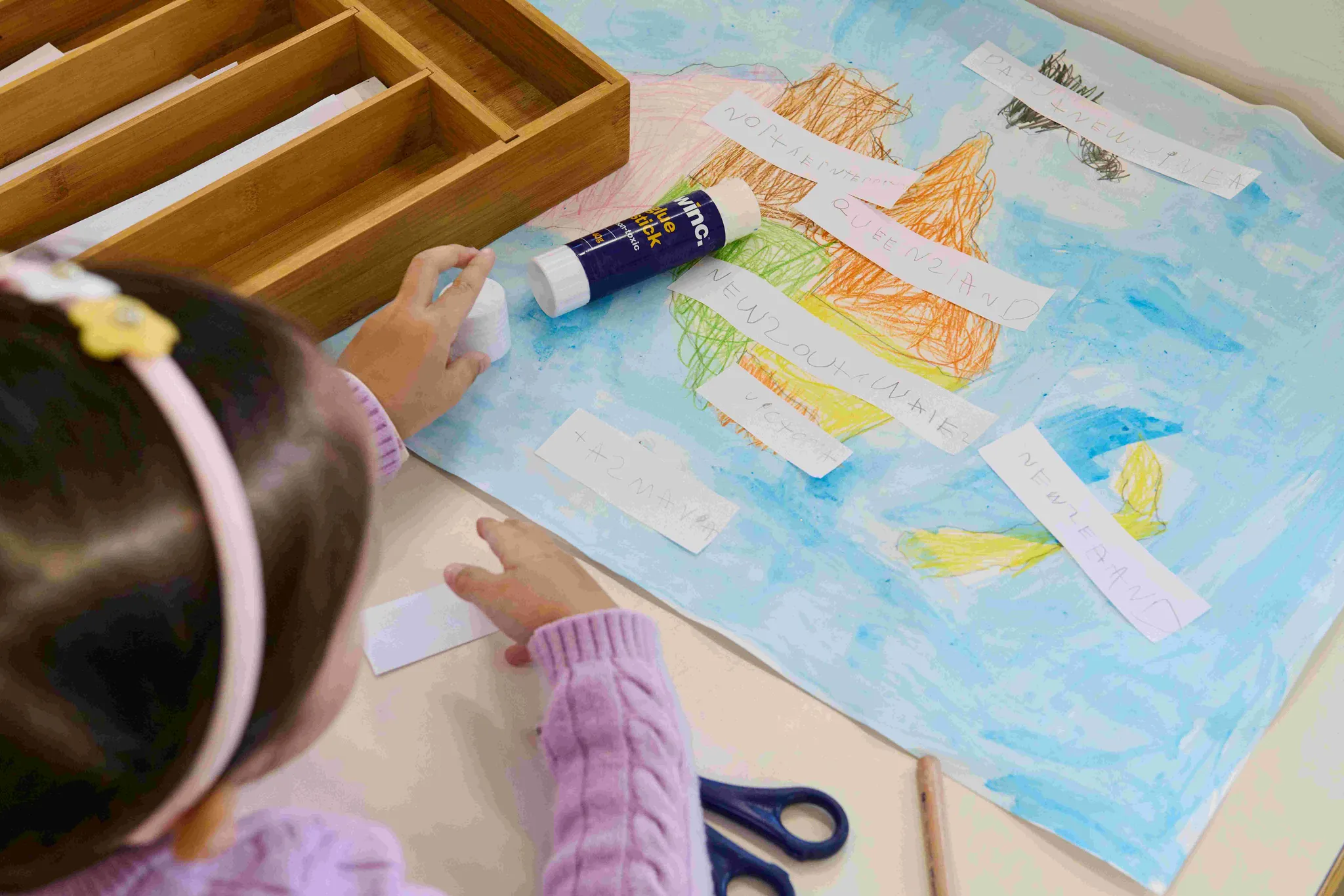
You might see younger children carefully preparing fruit for morning tea, independently selecting materials from classroom shelves or spending long periods deeply focused on a task without interruption.
Older students might be mentoring younger peers, collaborating on projects or leading aspects of their own learning with confidence and ownership.
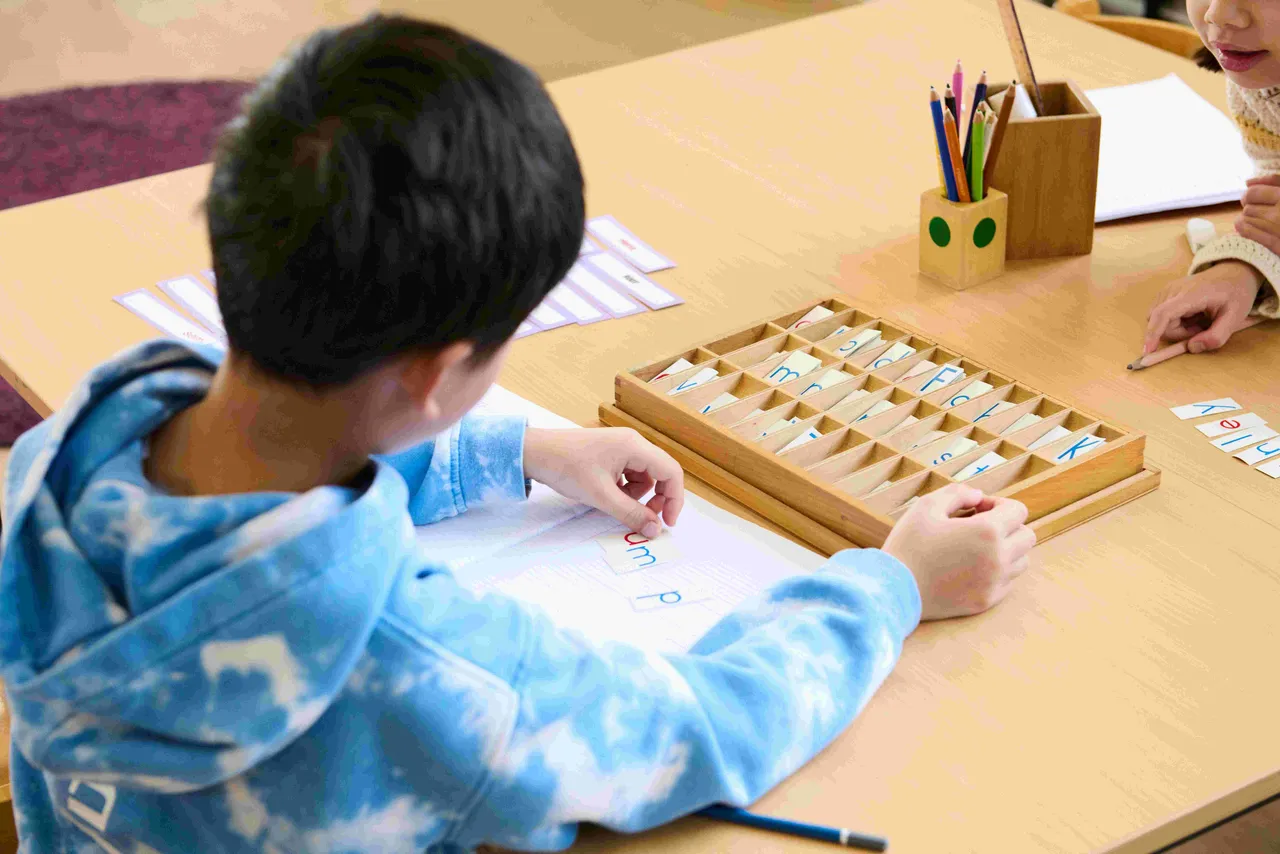
There is often a sense of calm purpose to Montessori environments.
Rather than moving all students through the same task at the same pace, Montessori classrooms are designed to support independence, concentration and intrinsic motivation. Children are encouraged to follow their curiosity, make choices, solve problems and develop a genuine connection to learning itself.
Montessori environments are intentionally designed to help children develop self-discipline, accountability and responsibility over time. The result is often children who are both academically capable and who also feel secure in themselves and confident in navigating the world around them. For many parents, that balance feels increasingly important.
Because while the future will undoubtedly require strong academic foundations, it will also ask more of the next generation, such as adaptability and emotional intelligence.
These qualities are difficult to teach through instruction alone. They are developed through lived experience, through being trusted, challenged appropriately, given responsibility and allowed the space to grow.
And perhaps that’s why so many families are reconsidering what meaningful education looks like. An education that supports capable, grounded and curious young people who feel connected to both themselves and the world around them.
For families seeking an education shaped by those values, Montessori continues to offer a thoughtful and deeply human approach to learning.
To learn more about Inner Sydney Montessori School in Balmain, Enquire Now or Book A Tour.

ISMS is an independent school based in Sydney that delivers authentic Montessori education to children from birth to 12 years of age with a commitment to the Montessori philosophy.